Category

Fitness marketing and social archives and news

Pilates studio owner Stacey Redfield

Meet Pilates studio owner Stacey Redfield: “Gymcatch has made my business more profitable.”

By Fitness business management archives and news, Fitness marketing and social archives and news

Ever get the feeling that opportunities to grow your business are slipping by as you simply can’t be everywhere at once? As a solo Pilates studio owner and teacher, Stacey Redfield knew that feeling all too well and began searching for an affordable way to move her business from ‘paper and pencil’ to a round-the-clock automated booking and management system.

Since moving over to Gymcatch four years ago, Stacey has seen her Physical Methods Pilate Studio in Philadelphia go from strength to strength and has shared her story with us.

Why did you choose Gymcatch?

“It’s cost-effective for my small boutique studio. I’m the only teacher and I have a roster for about 100 clients.”

How has Gymcatch changed the way you work?

“I used to be a paper and pencil scheduler, so I was losing opportunities to keep my classes filled. My schedule is now available 24 hours a day, 7 days a week with Gymcatch. It’s become like my administrative assistant, so that I am no longer missing those opportunities.”

How have your clients responded to using Gymcatch?

“It’s made them independent. They can now schedule into classes at their convenience and I’ll receive notifications. If someone has purchased a bundle, those transactions are a lot more fluid for me now that it’s not limited to when I’m available. They’ve adapted to the Gymcatch app without any resistance. I do have some older clients who are not all tech savvy, but even they’ve had absolutely no problems using the app.”

What do you like most about using Gymcatch?

“The best part is that it can be catered to my particular needs. With Gymcatch bolt-ons, I can add on different features month to month, instead of having to pay for one feature that I’m only going to use for maybe a month. So if I want to offer virtual classes one month, I can pay for that feature, and then if I don’t want to offer them again, I can just remove that feature. My fees can adjust every month based on the needs of the studio.

Gymcatch has made my life so much easier. It has made my studio more profitable, and I am no longer missing the opportunities that I had before.”

———————

New to Gymcatch? Book a free demo to see how we can support your business too: https://gymcatch.com/business/bookademo/

With thanks to Stacey Redfield from Physical Methods Pilates Studio: https://www.staceyredfield.com/pilates

Follow us for more business insights:

Facebook https://www.facebook.com/Gymcatch

Instagram https://www.instagram.com/gymcatch/

LinkedIn https://www.linkedin.com/company/gymcatch/

And sign up for our newsletter: https://gymcatch.com/business/newsletter/

How to Create Appointment Confirmation Emails for Fitness Clients

By Fitness business management archives and news, Fitness marketing and social archives and news

Appointment confirmation emails give clients confidence that their class or session is booked and make important details such as the date, time and location easy to find. They can also help reduce missed appointments by keeping upcoming bookings front of mind.

With Gymcatch, you don’t need to manually send a confirmation every time someone books. When a customer makes a booking, Gymcatch can automatically send transactional emails associated with their booking, helping you keep clients informed without adding another task to your day.

The best confirmation emails are simple. Tell clients what they’ve booked, when and where it’s happening, anything they need to know beforehand and what to do if their plans change.

Here’s how to get them right.

When Should You Send an Appointment Confirmation Email?

Send a confirmation as soon as a client completes their booking.

At this point, the email has one main job: reassure the client that their booking has been successfully made and give them a record of the important details.

For appointments booked further in advance, reminders closer to the session can also help keep the booking front of mind. This is particularly useful for personal training sessions, consultations, classes and other appointments where an empty slot represents lost revenue.

Automating these communications with Gymcatch’s booking and scheduling tools means clients receive important booking information without you having to remember to contact everyone individually.

What to Include in a Fitness Appointment Confirmation Email

Clients shouldn’t have to search through a long email to work out when they’re supposed to arrive.

Keep the most important information prominent and make the email easy to scan. A useful fitness appointment confirmation should include:

  • The client’s name

  • The class, appointment or service booked

  • Date and time

  • Location or joining information

  • Instructor or trainer details where relevant

  • Payment information where appropriate

  • What the client needs to bring or prepare

New and returning clients may also need slightly different information.

A first-time client might benefit from directions, information about what to wear or bring and instructions for arriving at the venue. Someone who attends every week probably only needs the essential booking details.

Use a Clear Appointment Confirmation Subject Line

Your subject line should immediately tell the client what the email is about.

There’s no need to make it clever. Something simple such as "Your appointment is confirmed" or "Booking confirmation: Personal training – Tuesday at 6pm" makes the purpose of the email obvious.

Including the appointment type or date can also make confirmation emails easier to find later when clients search their inbox.

Include the Trainer or Instructor

If the client is meeting a particular personal trainer, coach or instructor, include their name in the confirmation.

This is especially useful for businesses with several instructors or clients booking different types of appointments.

You don’t need to include a lengthy staff biography. The client’s main questions are usually straightforward: who am I seeing, where do I need to be and how can I get help if something changes?

Confirm What the Client Has Booked

Clearly name the service, class or appointment.

For example: 60-minute personal training session

is much more useful than: Appointment

This becomes particularly important if your business offers several services, session lengths or class types.

Gymcatch keeps the customer’s booking connected with your schedule, helping clients understand exactly what they’ve booked while giving you a clearer view of your upcoming sessions.

Provide the Location or Online Joining Details

For in-person appointments, provide the venue and address. If your location is difficult to find, you can also include useful directions or a link to a map.

For online fitness sessions, make sure clients know how they’ll access the class or appointment.

Keep this information prominent. A client shouldn’t have to scroll through promotional content to find out where they’re supposed to be.

For new customers, you might also include practical details such as:

  • Where to park

  • Where to enter the building

  • How early to arrive

  • What equipment to bring

  • What to wear

  • Whether they need to complete anything beforehand

These small details can make a first appointment feel considerably easier.

Make Your Cancellation Policy Easy to Find

Plans change, so clients should know exactly what to do if they can’t attend.

Include the important parts of your cancellation or rescheduling policy within the booking journey and make it easy for customers to understand the rules that apply to their purchase.

If clients pay online when booking, it’s particularly important that the relevant terms are clear before they complete their purchase.

Gymcatch helps fitness businesses take payments and manage bookings and cancellations within the same system, reducing the need to manually keep track of changes across different platforms.

Keep Confirmation Emails Short and Useful

A confirmation email isn’t a newsletter. Its primary purpose is to give the customer information about their booking, so avoid burying those details beneath promotions or unnecessary copy.

A simple structure might look like this:

Hi Sarah,

Your personal training session is confirmed.

Date: Tuesday 8 September
Time: 6:00pm
Trainer: Alex
Location: Main Studio, 10 High Street

Please arrive five minutes before your session and bring a water bottle.

If you need to change your booking, please use the booking management options provided.

We look forward to seeing you!

The exact wording will depend on your business, but the principle remains the same: give clients the information they need as quickly as possible.

Use Appointment Emails to Create a Better Client Experience

Confirmation emails might be transactional, but they’re still part of the overall experience someone has with your fitness business.

Think about what a client needs at each stage.

A new personal training client may be nervous about their first session and appreciate clear instructions about what will happen when they arrive. A regular class attendee may simply want confirmation that they’ve successfully secured their usual spot.

Good communication reduces uncertainty.

It can also save you time. The more information clients receive automatically, the fewer messages you need to answer about times, locations and booking details. That’s where automation becomes particularly valuable.

Automate Fitness Booking Communications with Gymcatch

Manually confirming every booking might be manageable when you have five clients. It becomes much harder when you’re running multiple classes or appointments every week.

Gymcatch’s fitness business features bring scheduling, customer bookings, payments and communications together, helping you automate routine administration while keeping customers informed.

When customers can book themselves and receive the relevant booking communications automatically, you don’t need to spend your day copying appointment details into individual emails. That gives you more time to focus on your clients and running your fitness business.

Ready to spend less time managing bookings and client admin? Sign up for Gymcatch today or book a demo to see how Gymcatch can simplify scheduling, payments and customer management for your fitness business.

Frequently Asked Questions

What is an appointment confirmation email?

An appointment confirmation email is a transactional message that confirms a customer’s booking and provides the essential information they need to attend. For a fitness business, this will usually include the session or class booked, date, time, location and relevant booking information.

When should I send an appointment confirmation email?

Send the confirmation as soon as the customer completes their booking. This reassures them that their place or appointment has been secured and gives them an immediate record of the booking details.

What should a fitness appointment confirmation email include?

Include the client’s name, appointment or class, date, time, location, instructor where relevant and any preparation or cancellation information they need. Keep the message concise so the most important details are easy to find.

How do I write an appointment confirmation email?

Start by confirming that the booking has been successful, then clearly list the appointment type, date, time and location. Add any essential instructions and explain how the customer can manage their booking if their plans change. Avoid unnecessary promotional content that distracts from these details.

Can appointment confirmation emails reduce no-shows?

Confirmation emails can help because they give clients a clear record of their booking and keep the appointment details accessible. Reminders closer to the appointment can provide another useful prompt, particularly when a session was booked well in advance.

Can Gymcatch automatically send booking confirmations?

Gymcatch helps fitness businesses automate communications associated with customer bookings, so you don’t need to manually send the same appointment information every time somebody books. This keeps important client communication connected with your wider scheduling and booking process.

Can Gymcatch help manage cancellations and rescheduling?

Gymcatch brings booking management together with your wider schedule, helping customers and fitness businesses manage changes without relying entirely on manual emails and messages.

Why should fitness businesses automate appointment communications?

Automation saves time and creates a more consistent customer experience. Instead of manually confirming individual appointments, fitness businesses can focus on delivering their sessions while booking information and routine communications are handled through their management software.

How to Write a Fitness Business Plan

By Fitness marketing and social archives and news

A fitness business plan gives you a clear roadmap for launching, running and growing your gym, studio or fitness business. It can help you define your target market, work out how you’ll make money, plan your marketing and understand the resources you’ll need. If you’re looking for funding, investors or finance, a strong business plan becomes even more important.

But a good plan needs to translate into how you’ll actually run the business. Gymcatch helps fitness businesses put that operational side into practice, with tools for scheduling, online bookings, payments, customer management, packages and promotions in one platform.

Whether you’re opening a new fitness studio or planning the next stage of an established business, here’s what your fitness business plan should cover.

What Is a Fitness Business Plan?

A fitness business plan is a document that explains what your business does, who it serves, how it will operate and how you expect it to grow.

It provides a roadmap for your business while giving potential lenders or investors the information they need to understand whether your plans are commercially viable.

Most fitness business plans include:

  • Executive summary

  • Company description

  • Market and competitor analysis

  • Products and services

  • Marketing strategy

  • Operational plan

  • Organisational structure

  • Financial plan and projections

  • Funding requirements

  • Appendix and supporting documents

You don’t necessarily need to write these sections in order. In fact, the executive summary is often easier to write last, once you’ve worked through the details of your plan.

Why Do You Need a Business Plan for a Fitness Business?

Even if you aren’t looking for outside investment, creating a business plan forces you to answer some important questions.

Who exactly are you trying to attract? What will you sell? How much will you charge? How will customers find you? How many bookings or memberships do you need to cover your costs?

Putting those answers in writing gives you something concrete to work towards.

A fitness business plan can help you:

  • Define clear business goals

  • Understand your target market

  • Research your competitors

  • Plan your services and pricing

  • Calculate your costs and revenue requirements

  • Identify the people and resources you’ll need

  • Plan your marketing activity

  • Prepare for future growth

  • Support funding or investment applications

Once your business is operating, revisit the plan periodically and compare your assumptions with what’s actually happening.

11 Tips for Writing a Successful Fitness Business Plan

1. Write Your Company Description

Start by explaining what your fitness business is.

Describe your concept, the customers you intend to serve and what differentiates you from other fitness businesses.

Your company description might cover:

  • Business name and location

  • Type of fitness business

  • Business structure

  • Mission and values

  • Founders and their experience

  • Short- and long-term objectives

  • What makes the business different

Be specific.

"Opening a fitness studio" tells the reader very little. "Opening a small-group strength training studio for beginners aged 40+ in Manchester" immediately provides a much clearer picture of the business.

If you’re already operating, include a brief overview of your history and progress so far.

2. Create Your Executive Summary

The executive summary sits at the beginning of your fitness business plan, but it’s often best to write it after completing the other sections.

Think of it as the short version of your entire plan.

Someone should be able to read your executive summary and understand:

  • What your fitness business does

  • Who your customers are

  • What you’re selling

  • Why there’s demand

  • What differentiates your business

  • How you’ll generate revenue

  • Your key financial projections

  • Your growth objectives

  • Any funding you’re seeking

Keep it concise. If you’re presenting the plan to an investor or lender, the executive summary needs to give them a reason to continue reading.

3. Research Your Fitness Market and Competitors

Your market analysis demonstrates that there’s a genuine opportunity for your business.

Start with your target customer.

Who are they? Where are they located? What type of fitness experience are they looking for? What stops them from using existing alternatives?

Depending on your business, you might target busy professionals looking for early-morning classes, parents who need flexible scheduling, experienced athletes looking for specialist coaching or beginners who feel uncomfortable in traditional gyms.

Then research your competition.

Consider:

  • What services they provide

  • Who they target

  • Their pricing

  • Their location

  • Their class timetable

  • How customers book

  • Their reviews

  • Their strengths and weaknesses

  • Where your offering will be different

The aim isn’t simply to prove that you’re better than every competitor – it’s to demonstrate that you’ve identified a specific place for your business within the market.

4. Define Your Fitness Products and Services

Next, explain exactly what customers will be able to buy. Depending on your fitness business, this could include:

  • Group fitness classes

  • Personal training

  • Yoga or Pilates

  • Small-group training

  • Courses

  • Workshops

  • Memberships

  • Class passes

  • Session bundles

  • Online fitness sessions

  • Introductory offers

Explain how each product works and how much you intend to charge.

This is also where your business plan starts connecting with the practicalities of running the business.

Gymcatch lets fitness businesses create schedules and booking options, including individual sessions, courses, packages and passes. Planning these products early helps you think beyond simply "selling classes" and consider how customers will actually purchase and use your services.

5. Build Your Pricing and Revenue Model

Your business plan needs to explain how the business will make money.

Start by deciding how customers will pay. Will you rely primarily on memberships? Drop-in classes? Packages? Personal training appointments? Courses? Or a combination?

Then calculate what those choices mean financially.

For example, consider:

  • Average price per booking

  • Expected bookings per week

  • Class capacity

  • Expected occupancy

  • Membership or package revenue

  • Instructor costs

  • Venue costs

  • Payment processing costs

  • Software costs

  • Marketing costs

  • Other overheads

Don’t build your projections around every class being full from day one. Create realistic assumptions and consider what happens if customer acquisition takes longer than expected.

Gymcatch combines online bookings and payments so customers can purchase eligible services as part of the booking journey, helping you put your planned revenue model into practice.

6. Create Your Marketing Plan

Your marketing plan explains how potential customers will discover your fitness business and what will persuade them to book.

Start with your target audience rather than individual marketing channels. Once you know who you’re trying to reach, decide where those people are most likely to discover you.

Your strategy could include:

  • Search engine optimisation

  • Social media

  • Email marketing

  • Paid advertising

  • Local partnerships

  • Referral marketing

  • Introductory offers

  • Community events

  • Reviews and testimonials

  • Local PR

Then think about what happens after someone discovers you. Can they easily see your timetable? Is your pricing clear? Can they book immediately? Can they pay online?

Marketing isn’t successful simply because someone visits your website or social profile. The journey from discovery to booking needs to be straightforward too.

Gymcatch’s fitness business features help connect that customer journey with online scheduling, bookings, payments, promotions and customer communications.

7. Plan How Your Fitness Business Will Operate

A business plan shouldn’t stop at marketing and financial projections. You also need to explain how the business will work day to day.

Your operational plan could cover:

  • Opening hours

  • Class timetable

  • Appointment availability

  • Booking process

  • Payment process

  • Cancellation policies

  • Customer communications

  • Staffing

  • Equipment

  • Venue management

  • Health and safety

  • Customer records

  • Reporting and administration

This is where choosing the right systems early can prevent unnecessary work later. Rather than managing your timetable in one place, payments somewhere else and customer bookings through messages or spreadsheets, Gymcatch’s membership management brings these core tasks together.

That can make it easier to build repeatable processes as your customer base grows.

8. Outline Your Organisational Structure and Staffing

Explain who’s responsible for running the business.

For a new independent fitness business, this might initially be just the founder. A larger gym or studio could have instructors, reception staff, managers and administrative employees.

Include:

  • Owners and shareholders

  • Management roles

  • Coaches and instructors

  • Administrative staff

  • Contractors

  • Future recruitment plans

Be clear about responsibilities. If you’re planning to grow, think about which tasks actually require another person and which can be automated through your business software.

Automating routine tasks such as bookings and customer communications can help you avoid increasing administration at the same rate as your customer base.

9. Prepare Your Financial Plan and Projections

If you’re seeking finance, this will be one of the most closely examined sections of your business plan.

Your financial plan should provide a realistic picture of what it will cost to launch and operate your fitness business and how you expect revenue to develop. 

Depending on the stage of your business, include:

  • Startup costs

  • Revenue forecasts

  • Cash flow projections

  • Profit and loss projections

  • Balance sheet

  • Break-even analysis

  • Existing financial performance

  • Funding requirements

If you’re forecasting several years ahead, explain the assumptions behind your numbers.

For example, don’t simply state that revenue will increase by 30%. Explain whether that growth is expected to come from additional members, higher class occupancy, new services, additional locations or price increases.

10. Explain Your Funding Requirements

If you’re using the business plan to secure finance, explain exactly how much funding you need and what it will be used for.

Potential uses might include:

  • Leasing or purchasing premises

  • Refurbishment

  • Fitness equipment

  • Staff recruitment

  • Marketing

  • Technology and software

  • Insurance and licences

  • Working capital

Be specific. Investors and lenders need to understand not only how much you’re asking for, but how that investment supports your wider business plan.

11. Add Supporting Information to Your Appendix

The appendix contains evidence and documents that support the main business plan without making the core document unnecessarily long.

Depending on your business, this could include:

  • Market research

  • CVs and professional qualifications

  • Financial statements

  • Cash flow forecasts

  • Lease documents

  • Licences and permits

  • Insurance information

  • Contracts

  • Supplier information

  • Charts and financial tables

Only include material that’s genuinely relevant.

Turn Your Fitness Business Plan into a Working Business

Writing the plan is the first step. The next challenge is turning it into a business that works efficiently every day.

If your plan includes classes, appointments, online bookings, packages, customer payments and promotions, you need systems capable of supporting them as your business grows.

Gymcatch helps fitness businesses manage scheduling, bookings, payments and customers from one platform, so you can spend less time piecing together admin and more time delivering the business you’ve planned.

Ready to put your fitness business plan into action? Sign up for Gymcatch or book a demo to see how Gymcatch can support your fitness business.

Frequently Asked Questions

What should a fitness business plan include?

A fitness business plan should usually include an executive summary, company description, market and competitor analysis, products and services, pricing and revenue model, marketing strategy, operational plan, organisational structure and financial projections. If you’re seeking investment, you should also clearly explain your funding requirements.

Do I need a business plan to open a gym or fitness studio?

You may be able to start a fitness business without a formal business plan, but creating one can help you test whether your idea is financially and operationally realistic. A formal plan is particularly important if you’re applying for finance or seeking outside investment.

How long should a fitness business plan be?

There’s no single correct length. It should be detailed enough to explain your business model, market, operations and finances without adding information that doesn’t help the reader understand the opportunity. A plan being presented to lenders or investors may need considerably more financial detail than one you’re creating for your own planning.

What should I include in a fitness studio financial plan?

Include expected startup and operating costs, your pricing model, revenue forecasts, cash flow projections and break-even assumptions. Established businesses should also include relevant historical financial information. Explain the assumptions behind your forecasts rather than presenting figures without context.

How can Gymcatch help me start a fitness business?

Gymcatch helps turn the operational parts of your business plan into a working booking system. You can manage schedules, customer bookings, online payments and different purchasing options such as packages, passes and courses while using tools designed specifically for fitness businesses.

11 Tips to Get Personal Training Clients Fast

By Fitness marketing and social archives and news

Getting more personal training clients isn’t about finding one secret marketing tactic. The most successful personal trainers combine several approaches: building relationships, creating useful content, generating referrals and making it as easy as possible for interested people to take the next step and book.

Gymcatch helps you turn that interest into paying clients. With personal training booking software, you can let prospective clients view your availability, book and pay online, while tools such as packages, free trials, discount codes and customer communications help you convert new leads and keep existing clients coming back.

If you’re looking to grow your client base, here are 11 practical ways to get more personal training clients.

11 Ways to Gain More Personal Training Clients

1. Make a Positive First Impression

Personal training is a relationship-driven business. Clients aren’t simply buying access to a workout; they’re choosing someone they trust to motivate them, understand their goals and help them make progress.

That makes your attitude and approach important from the first interaction.

Be approachable, interested and enthusiastic when speaking with potential clients. Ask about their goals rather than immediately launching into a sales pitch, and show them how your approach could fit what they’re trying to achieve.

The same principle applies online. Once someone becomes interested in training with you, don’t make them send several messages just to find out when you’re available or how much a session costs. A straightforward online booking journey can help turn that initial interest into a confirmed session.

2. Build Relationships Before You Sell

People buy from people, and that’s particularly true in personal training.

Building a genuine relationship with a prospective client is usually more effective than approaching every conversation as an immediate sales opportunity.

If you work from a gym, talk to members and get to know them. Find out what they’re training for, answer questions when you can and become someone they recognise and trust.

When they’re ready for additional support, you’ll already be familiar to them.

You can then make the next step easy by giving prospective clients somewhere to view your sessions, availability and booking options online rather than relying entirely on face-to-face conversations.

3. Use Content and Email Marketing

Creating useful content is a good way to demonstrate your expertise before someone has ever trained with you.

Think about the questions your ideal clients regularly ask. Depending on your speciality, these might include:

  • How often should I train each week?

  • How do I start strength training?

  • What exercises can beginners do?

  • How can I improve my mobility?

  • What should I expect from my first personal training session?

Turn those questions into useful blog posts, videos, social posts or emails.

Search-friendly content can help potential clients discover your business while they’re researching their fitness goals. Email gives you another opportunity to stay in contact with people who aren’t quite ready to book.

Whenever you create content, give people a clear next step. That could be viewing your available sessions, booking an introductory appointment or signing up for a trial.

4. Find Your Personal Training Niche

Trying to appeal to everybody can make it harder to stand out. Instead, think about the type of client you’re particularly well placed to help. Your niche could be based on a training style, like delivering virtual sessions, or a goal or audience, such as:

  • Strength and conditioning

  • Pre- and postnatal fitness

  • Beginner strength training

  • Older adults

  • Sports performance

  • Weight management

  • Mobility and movement

  • Small-group personal training

A clear speciality makes it easier for prospective clients to understand why they should choose you rather than another trainer.

It also makes your marketing easier. Once you know exactly who you’re trying to reach, you can create content, offers and services around the problems that matter to those clients.

5. Follow Up with Prospective Clients

Someone showing an interest in personal training doesn’t necessarily mean they’re ready to book immediately.

They may need time to think about the cost, work out their schedule or simply build enough confidence to get started.

Following up keeps the conversation going.

That doesn’t mean repeatedly pushing someone to buy. A quick message asking how their training is going or reminding them about an introductory session can be enough.

You can also remove unnecessary barriers by giving prospective clients a simple way to check availability and book when they’re ready.

Gymcatch lets clients find and book available sessions online, so someone you’ve spoken to doesn’t have to wait for another conversation with you before taking the next step.

6. Encourage Referrals and Word of Mouth

Recommendations from existing clients can be one of the strongest ways to find new personal training clients.

If someone is already seeing results and enjoying their sessions, encourage them to tell friends, relatives or colleagues who might benefit from your services.

You can make referrals more appealing with an introductory discount, free session or other incentive.

Gymcatch includes referral marketing features that make it easier for customers to invite friends, while discount codes can be used to create introductory and promotional offers.

Most importantly, make referring someone easy. The fewer steps involved in recommending and booking with you, the more likely clients are to do it.

7. Share Your Expertise Outside Your Own Channels

Your own website and social profiles aren’t the only places you can demonstrate your expertise.

Look for opportunities to contribute useful advice to:

  • Local publications

  • Fitness websites

  • Community websites

  • Podcasts

  • Newsletters

  • Local business groups

Rather than simply promoting your services, offer genuinely useful information that demonstrates what you know.

For example, a strength coach could contribute an article about getting started with weight training, while a trainer specialising in older adults could provide advice about staying active later in life.

Include a clear link back to your website or booking page so interested readers know what to do next.

8. Use Social Media to Start Conversations

Social media can help potential clients become familiar with you before they ever make an inquiry.

You don’t need every post to be promotional. Share useful advice, answer common questions, show what your sessions are like and talk about the problems your clients regularly face.

You can also encourage conversations by asking followers what they’re struggling with or inviting them to submit fitness questions.

Use those interactions as a starting point rather than immediately trying to make a sale.

And when someone is ready to train with you, make sure your profile gives them a clear route to view your services and book.

9. Offer a Free Trial or Introductory Session

Some prospective clients are interested in personal training but aren’t ready to commit without experiencing it first.

A free trial, introductory session or discounted first appointment can lower that barrier.

Use the session to show what working with you is actually like. Ask about the client’s goals, explain your approach and give them something useful to take away from the experience.

Gymcatch lets personal trainers create different booking and purchasing options, including free trials, passes and packages, so introductory offers can form part of the same booking journey as your regular sessions.

Make sure you also have a clear next step after the trial, whether that’s booking another appointment or purchasing a package.

10. Build Relationships with Other Health and Fitness Professionals

Other professionals can become valuable sources of referrals.

Depending on your qualifications and area of expertise, consider building professional relationships with relevant local businesses and practitioners.

The goal isn’t simply to exchange leads. It’s to develop a network of trusted professionals who serve similar audiences and can point people towards appropriate services when relevant.

You might also partner with other fitness businesses, sports clubs or local organisations to run events, workshops or introductory sessions that introduce you to new audiences.

11. Show Testimonials and Client Success Stories

Potential clients want reassurance that you can help people like them.

Testimonials and client success stories provide valuable social proof, particularly when they describe the client’s starting point, experience and progress rather than simply saying that you’re a great trainer.

Ask happy clients whether they’d be comfortable providing a review or testimonial and feature these prominently on your website and other marketing channels.

Where appropriate, you could build a success story around:

  • What the client wanted to achieve

  • Why they chose personal training

  • How you approached their training

  • What progress they made

  • What they valued about working with you

Always get permission before sharing identifiable information, photographs or results.

Turn More Interest into Personal Training Bookings

Finding new personal training clients is only half the challenge. Once someone discovers you, the journey from "I’m interested" to "I’ve booked" needs to be straightforward.

Gymcatch helps personal trainers manage that journey with online scheduling and booking, and allows users to take payments alongside tools for packages, passes, promotions and customer communication.

Instead of managing enquiries in one place, availability somewhere else and payments separately, you can give clients a simple way to find your services and book.

Ready to spend less time on admin and more time growing your personal training business? Sign up for Gymcatch today or book a demo to see how Gymcatch can help you manage bookings, payments and clients in one place.

Frequently Asked Questions

How can I get personal training clients fast?

Start with people who already have some connection to you or your business. Speak to gym members, follow up with previous enquiries, ask existing clients for referrals and promote an introductory session through your existing channels. Make sure prospective clients can easily see your availability and book when they’re ready.

How do new personal trainers find clients?

New personal trainers can build their first client base through networking, referrals, social media, useful online content and relationships with local businesses or other fitness professionals. Choosing a clear niche can also make it easier to attract people looking for your particular expertise.

How can I promote myself as a personal trainer?

Combine online and offline marketing rather than relying on a single channel. Create useful content, post regularly on social media, collect testimonials, encourage referrals, contribute to relevant publications and build relationships in your local community. Every channel should give prospective clients a clear route to learn more or book.

Should personal trainers offer free trials?

A free or discounted introductory session can help prospective clients decide whether personal training is right for them. Keep the offer structured, use the session to understand their goals and give them a clear next step if they want to continue.

How can I turn personal training enquiries into paying clients?

Respond quickly, understand what the prospective client wants to achieve and make booking as straightforward as possible. Clearly explain your services, pricing and availability, then provide an easy way to book and pay without unnecessary back-and-forth.

Can Gymcatch help personal trainers get more clients?

Gymcatch helps personal trainers turn interest into bookings by giving customers an easy way to view availability and book online. You can also use features such as free trials, packages, discount codes, customer communications and referral marketing to support client acquisition and retention.

How can personal trainers keep clients for longer?

Getting clients is important, but retention is what builds a sustainable personal training business. Deliver consistent sessions, track your clients’ goals, communicate regularly and make booking future sessions convenient. Packages and passes can also give clients a simple way to commit to ongoing training.


Participants stretching together in a group exercise class

Gymcatch Loyalty Boosters

By Fitness business management archives and news, Fitness marketing and social archives and news

It’s always a great feeling when you see a new face return for their second class or a long-time customer tells you the community you’re building feels like family.

At Gymcatch, we understand the value to your business of building up customer loyalty like this, which is why we’ve packed our management and booking system with features that can help you further nurture your community.

To help inspire you, here are five of our most popular loyalty boosting tips:

Make it quick and easy for customers to book courses
Offering a set of sessions that can be bought in a single purchase helps your customers plan ahead and strengthens their commitment to attend the full series. Our Gymcatch Courses bolt-on makes it super simple for you to create these courses, and even include on-demand video. Learn how to get started here: https://support.gymcatch.com/en/articles/4757201-courses

Give your customers the VIP treatment with Priority Access
Exclusive and early access to bookings can be a winning way to show your customers how much they mean to you and encourage them to keep coming back. Our Gymcatch Priority Access feature can be used for sessions, courses and on-demand resources. Setting up rules for who gets access is simple, whether it’s for individual customers to secure 1-2-1 repeat sessions or to reward groups of customers with early bird offers. You can also switch back at any time to give full access to all. For more details, please head this way: https://support.gymcatch.com/en/articles/5472416-priority-access

Motivate repeat visits with bundles
Giving your customers the option to pre-pay for a fixed number of sessions or on-demand resources is an easy way to offer extra value and flexibility. In turn, that helps you secure future bookings and clearer financial forecasting. Follow our guide here to create a bundle with Gymcatch today: https://support.gymcatch.com/en/articles/4757196-packages-passes-and-bundles

Run special discounts to delight both old and new customers
Loyalty should never be taken for granted, so it’s essential that you create a special offers plan that not only looks to entice new customers but also rewards those that have been with you from day one. Our Gymcatch Discount Code bolt-on enables you to bring that plan to life across your sessions, courses, bundles, passes and memberships. Learn more here: https://support.gymcatch.com/en/articles/4757246-discount-codes

Finally, get chatting
Nothing really beats the power of conversation for creating a close-knit community. That’s why Gymcatch comes with 1-2-1 and group messaging features built right in, so you can bring that personal touch to managing bookings, sharing updates and answering any queries. See the many ways you can message with Gymcatch here: https://support.gymcatch.com/en/articles/4787114-can-i-message-my-customers

———————

If you’d like to stay updated on the many exciting developments coming to the Gymcatch platform to help grow your business even further, please sign up to our email newsletter: https://gymcatch.com/business/newsletter/

Or follow us on any of our social channels:
Facebook https://www.facebook.com/Gymcatch
Instagram https://www.instagram.com/gymcatch/
LinkedIn https://www.linkedin.com/company/gymcatch/

New to Gymcatch? Book a free demo to see how we can support your business: https://gymcatch.com/business/bookademo/

Image for Referrals blog post

How to Create a Fitness Referral Programme for Your Gym or Studio

By Dance, Fitness marketing and social archives and news, Gym and studios, HIIT and group, Pilates, Yoga

Referral programmes remain one of the lowest-cost ways to grow a fitness business. Whether you run a gym, yoga studio, Pilates business, dance school or personal training service, your happiest customers are often your best marketing channel. People are far more likely to try a class when it’s recommended by someone they already trust.

With Gymcatch, you don’t need to build a fitness referral programme from scratch. Our built-in referral marketing features make it easy for customers to invite friends in just a few taps, while promotional emails, social sharing tools and automated onboarding help turn referrals into paying customers. 

According to a Nielsen report, 83% of consumers trust recommendations from friends and family more than any other form of advertising. That makes referral marketing one of the highest-converting acquisition channels available for fitness businesses.

A successful fitness referral programme can help you:

  • Acquire new members at a lower cost

  • Increase customer loyalty

  • Generate more word-of-mouth recommendations

  • Improve customer retention

  • Build a stronger community around your business

If you’re ready to create your own referral programme, here’s a simple four-step framework.

1. Set a Clear Goal for Your Fitness Referral Programme

Before launching your referral programme, decide exactly what success looks like. While attracting new members is the most common objective, your goals could also include increasing customer retention, filling quieter classes, promoting memberships or generating more package sales.

Whatever your objective, make it specific and measurable. Some useful metrics include:

  • Number of referrals generated

  • New paying customers

  • Referral conversion rate

  • Revenue generated from referrals

  • Customer lifetime value

Once you’ve defined your goals, you’ll also know how to measure success over time. Gymcatch makes it easier to support referral campaigns by giving members simple ways to share your business and invite new customers without adding extra admin for your team.

2. Choose a Reward People Actually Want

The best referral programmes create value for everyone involved. Rewards don’t always have to be cash – free classes, class credits, discounted memberships, exclusive workshops or priority booking can all encourage customers to recommend your business.

Gymcatch supports referral promotions through built-in referral marketing tools and promotional campaigns, making it easy to encourage members to share your business. You can also combine referrals with customisable discount codes, bundles or limited-time offers depending on the type of campaign you’re running.

The most successful reward is often the one your customers actually want. Consider asking your members what would motivate them to recommend your classes to friends and family. Non-cash incentives often outperform cash rewards because they encourage repeat visits while strengthening customer loyalty.

It’s also important to clearly define when rewards are earned. For example, you may only award the referral once the new customer has booked a class or purchased a membership. Setting clear rules from the beginning avoids confusion and makes your programme easier to manage.

3. Identify Your Best Advocates

Instead of asking every customer to promote your business, start with your biggest fans. These are the members who already love what you offer and naturally recommend your classes to others.

Look for customers who:

  • Attend regularly

  • Leave positive reviews

  • Engage with your social media

  • Already bring friends to classes

  • Recommend your business without being asked

Share your mission with these advocates and provide clear messaging they can use when recommending your business. Think about:

  • Who do you want them to target?

  • What action do you want people to take?

  • How can they easily share your business?

Gymcatch’s customer communication tools make it easy to reach your most loyal members with referral invitations, promotional emails and shareable content that they can send directly to friends.

4. Make Your Referral Programme Easy to Share

Even the best referral programme won’t succeed if it’s difficult to use. The easier it is for customers to invite friends, the more referrals you’ll generate.

Promote your referral programme everywhere your customers interact with your business, including:

  • Booking confirmations

  • Email newsletters

  • Social media

  • Conversations after class

  • Your website

  • QR codes in your studio

The goal is to keep your referral programme visible without making it feel intrusive. Regular reminders help customers remember to recommend your business when the opportunity arises.

Gymcatch is designed around making referrals simple. Members can invite friends in just a few taps, while promotional emails and social sharing tools help keep your referral programme visible without requiring constant manual promotion.

Referral Programme Examples That Work

Looking for inspiration? Many of today’s biggest brands have built their growth through referral marketing.

Uber

Uber operates referral programmes for both riders and drivers. Users receive a unique referral code to share with friends. When someone signs up using that code and meets the qualifying conditions, both parties receive a reward, creating an incentive for everyone involved.

Dropbox

Dropbox famously grew through referrals by rewarding users with additional free storage space whenever they successfully invited friends to join the platform. Rather than offering cash, Dropbox rewarded users with something they genuinely valued, helping drive rapid customer acquisition.

The lesson from both examples is simple: make your referral programme easy to understand, easy to share and worthwhile for everyone involved.

Run Your Referral Programme with Gymcatch

A successful referral programme shouldn’t create more admin.

Gymcatch includes built-in referral marketing tools that help fitness businesses encourage word-of-mouth growth through simple customer sharing, promotional emails and streamlined onboarding for new members.

You can also combine referral campaigns with discount codes, bundles and limited-time promotions to create offers that match your business goals.

Whether you’re trying to grow memberships, increase class attendance or reward loyal customers, Gymcatch gives you the tools to launch and manage referral campaigns without relying on spreadsheets or manual tracking.

If you’re ready to grow your fitness business through referrals, explore Gymcatch’s business features or start your free trial today.

Frequently Asked Questions

What is a fitness referral programme?

A fitness referral programme rewards existing members for introducing new customers to your gym, studio or personal training business. Rewards can include free classes, account credit, discounts or exclusive offers once the referred customer books or purchases.

What rewards work best for gym referral programmes?

Free classes, membership credits, discounted packages and exclusive workshops often outperform cash rewards because they encourage repeat visits while increasing customer loyalty. The best reward is one that your existing members genuinely value.

How do I encourage members to refer their friends?

Keep the referral process simple, offer a worthwhile reward and remind members regularly through email, social media and in-person conversations. The easier it is to share your business, the more referrals you’ll receive.

Can Gymcatch help me run a referral programme?

Yes. Gymcatch includes built-in referral marketing features that let members invite friends in just a few taps. You can also support referral campaigns with promotional emails, social sharing tools, onboarding features, discount codes and limited-time offers to help convert referrals into paying customers.

Are referral programmes better than paid advertising?

Referral marketing and paid advertising work best together. Paid advertising helps people discover your business, while referrals provide trusted recommendations that often convert at a much higher rate because they come from friends or family.

How do I measure whether my referral programme is working?

Track metrics such as:

  • Number of referrals

  • Referral conversion rate

  • Revenue generated

  • Cost per new customer

  • Customer retention

  • Customer lifetime value

Review these regularly so you can refine your rewards, improve your messaging and maximise the long-term success of your referral programme.

Grow with Gymcatch

By Fitness business management archives and news, Fitness marketing and social archives and news

Whether you’re slowly building your business day-to-day or have big expansion plans, Gymcatch is here to help realise your ambitions and ease any growing pains – without the limitations of other platforms.

Our booking and management system gives you the freedom to flex and innovate – from adding new classes or team members, to trying new promotions or payment options. The opportunities to boost your revenue, savings and customer satisfaction are all opened up with Gymcatch.

Here’s just five of the ways you can grow with Gymcatch:

Add unlimited team members, bookings and customers
We’re here to support your success, not hold you back, which is why we don’t charge you any extra for increasing your members, bookings or customers.

Add any combination of classes, memberships, and moreGet the right mix of offerings working for your business with the ability to tailor Gymcatch to the classes, bundles, courses and memberships that match your customers’ needs. You can also add on-demand videos and livestream too, helping further expand your revenue streams.

Offer special programs & promotions Gymcatch gives you the tools to effortlessly test out new ways to retain and grow your customer base, including:

  • Priority access – a great way to encourage early bookings and reward customer loyalty
  • Discount codes – to boost bookings in quiet periods or around special events
  • Capacity gating – to manage who can see and book new offerings you may be trialling

Make significant savings on customer transactions We know that every penny saved can make a big difference to your plans, which is why we’ve introduced our new payment processing option: GymcatchPay, powered by Unipass.With our low rates of just 1.3% +15p, our research shows you could make savings of 9p on every transaction compared with standard fees of 1.5% +20p. (Based on average usage data on Gymcatch, Jan-Sept 2025.) Our UK customers can activate GymcatchPay right now in the Payments portal of the Gymcatch app (alongside Stripe and GoCardless), and we’re working on bringing this option to other countries soon.

Boost your brand visibilityWith Gymcatch, you can quickly and easily customise our web page, web embed and apps with your own brand identity, so your customers feel immersed in your world from the get-go.

———————

If you’d like to stay updated on the many exciting developments coming to the Gymcatch platform this year to help grow your business even further, please sign up to our email newsletter: https://gymcatch.com/business/newsletter/

Or follow us on any of our social channels:Facebook https://www.facebook.com/GymcatchInstagram https://www.instagram.com/gymcatch/LinkedIn https://www.linkedin.com/company/gymcatch/

New to Gymcatch? Book a free demo to see how we can support your business: https://gymcatch.com/business/bookademo/

Meet Hatha yoga teacher Dawn Hart: “Gymcatch has enabled me to be a better teacher.”

By Fitness business management archives and news, Fitness marketing and social archives and news

Is your growing business overwhelming you with time-consuming admin tasks and taking you way from doing the things you love?

We chatted to Dawn Hart from YogaSherborne about how she was able to save herself from being swamped by spreadsheets and win back more time for teaching thanks to Gymcatch.

How has YogaSherborne grown over the years?

“When I started teaching yoga about eight years ago, I had two classes with maybe five people in each class. It was really easy to manage that on a spreadsheet, with texts and emails. Fast forward to now, and I’ve built that into my business, my sole income.”

What have been the growing pains for the business?

“Now I’m a full-time teacher, I have 10 classes a week with 10 to 15 people in each class. Trying to manage that on a spreadsheet became really overwhelming.

Trying to match up payments on my bank statements to my spreadsheet, to managing people wanting to swap classes, making sure that when people didn’t turn up, they still paid. All of those things were taking me away from being a good yoga teacher.”

How has Gymcatch changed that for you?

“Not only has it given me time back, so I don’t have to manage the spreadsheet and the process, but it also means there’s a really clear structure for everyone to follow, for me and people coming to my classes.

Everyone knows the cancellation policy, they know what to do if they need to change something. And it’s all managed outside of the yoga studio, which is fantastic.

It’s made everyone’s life easier and enabled me to be a better teacher.”

———————

New to Gymcatch? Book a free demo to see how we can support your business too: https://gymcatch.com/business/bookademo/

With thanks to Dawn Hart from YogaSherborne: https://www.yogasherborne.co.uk

Follow us for more business insights:

Facebook https://www.facebook.com/Gymcatch

Instagram https://www.instagram.com/gymcatch/

LinkedIn https://www.linkedin.com/company/gymcatch/

And sign up for our newsletter: https://gymcatch.com/business/newsletter/

GymcatchPay delivers savings on each and every transaction

By Fitness business management archives and news, Fitness marketing and social archives and news

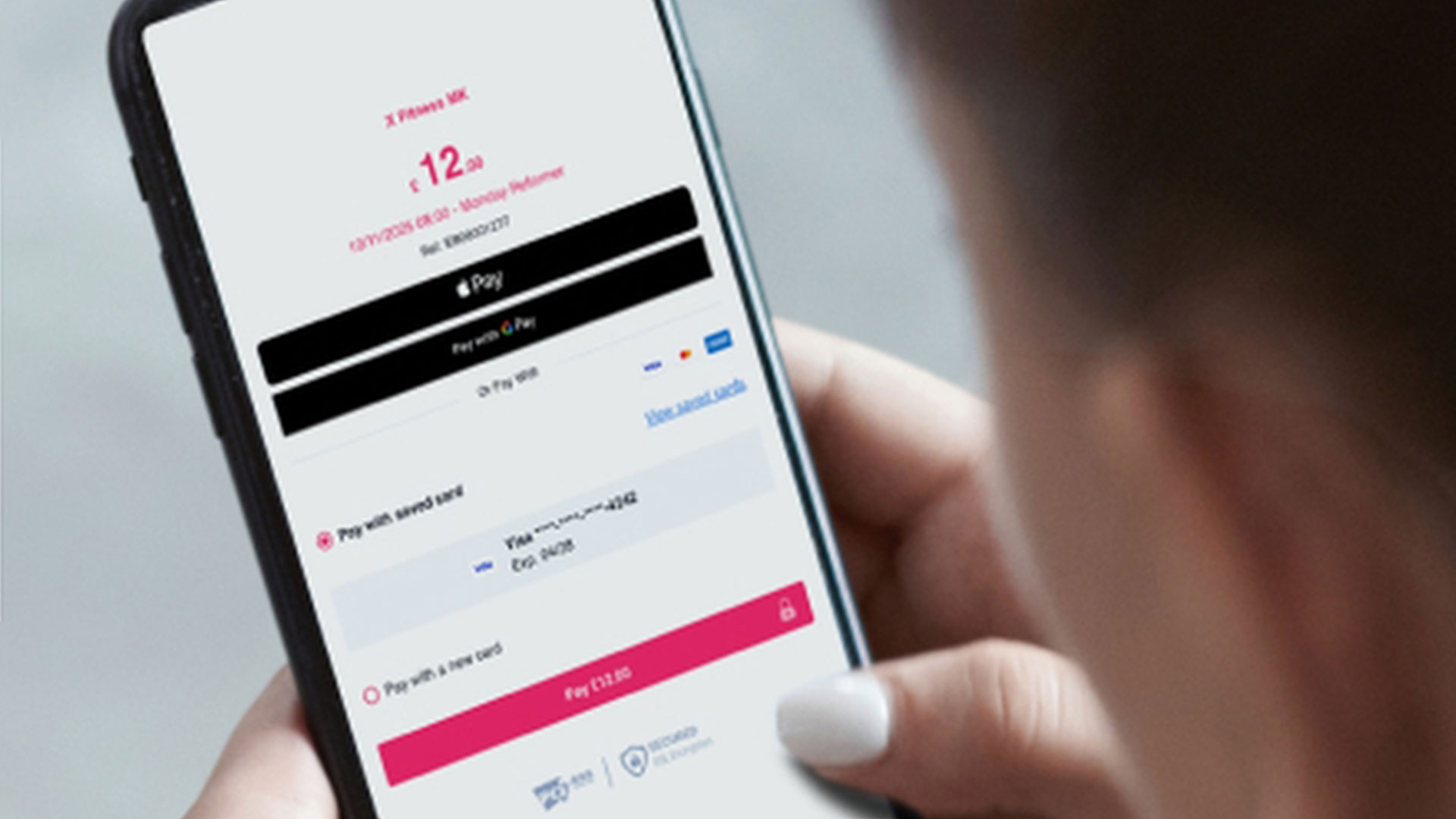
We’re excited to announce that our new payment processing option is now up and running for our UK customers: GymcatchPay, powered by Unipaas.

Driven by the desire to help you lower customer transaction fees and speed payments to your bank, GymcatchPay offers an unrivalled set of business benefits:

  • Standard card transaction fees of just 1.3% +15p
  • Special launch offer: 0.9% + 15p standard card transaction fees until 31st March 2026. (Offer closes 1st January 2026 – please see full terms in your Gymcatch portal.)
  • Payments to your bank within 3 calendar days
  • Centralised payment management through our new dashboard
  • Dedicated payment support if you need us
  • Supports debit/credit cards, plus Apple Pay & Google Pay

It’s always been crucial to Gymcatch that our customers can get paid quickly and effortlessly, and that is at the heart of GymcatchPay.

Our CEO and founder Ollie Bailey explains more in his recent interview with Shiran Katz on the UniPod by Unipaas podcast.

How does GymcatchPay compare to other payment processing options?Ollie: “At 1.3% and 15p per standard card transaction, we provide a significant saving. It’s 0.2% and 5p less per transaction than the industry benchmark and far lower than many. This was a real focus for us as it will help reduce monthly costs for all our customers – both large and small.

We know that many of our customers have a very high number of transactions that get processed each month because they do a lot of pay-as-you-go classes, class packs and courses. It’s not all on a recurring membership, direct debit model. Card fees quickly add up each month and GymcatchPay’s low fees mean there are potential savings waiting to be made on each and every one of those transactions – for many of our customers it could save more than the cost of our software each month.”

Are other payment processing options still available with Gymcatch?Ollie: “Yes, absolutely – we continue to support Stripe and GoCardless. But we’ve recognised the payments market has matured and that we could offer an equally effective solution but more cost effectively.

GymcatchPay offers the assurance of technology and delivery that our customers need and expect, but at a price that is more amenable to them.”

How easy is it to manage payments through GymcatchPay?Ollie: “The embedded dashboard in the Gymcatch portal enables our customers to do all of their payment management in one place. There’s no need to log into a standalone processor account. And it’s all ready and waiting for you – there’s no need to build anything yourself and no worrying about platform integration issues.”

Why did you choose to partner with Unipaas?Ollie: “The payment processor has to be trustworthy. We had to be confident that any partner could deliver everything we needed, not only from day one but also going forward – whether that’s expanding our geographic coverage or introducing new features. It’s essential we can grow together and we’ve found the ideal partner in Unipaas.”

———————

With thanks to Shiran Katz and the UniPod team, and all at Unipaas: https://www.unipaas.com

New to Gymcatch? Book a free demo to see how we can support your business: https://gymcatch.com/business/bookademo/

Follow us for more Gymcatch updates and business insights:

Facebook https://www.facebook.com/GymcatchInstagram https://www.instagram.com/gymcatch/LinkedIn https://www.linkedin.com/company/gymcatch/

And sign up for our newsletter: https://gymcatch.com/business/newsletter/


Meet dance fitness instructor Lynne Otto: “I love how much time Gymcatch has given me back.”

By Fitness business management archives and news, Fitness marketing and social archives and news

Gymcatch has been specially designed from the ground up to make top-level management and booking software affordable for exercise and wellness businesses of all sizes.

One of those businesses is DSM Dance with Lynne, based in St Neots (UK) and launched in 2013. We talked to instructor and founder Lynne Otto about how Gymcatch has rescued her from the repetitive admin that comes with a growing business, and in turn given her more time to spend developing new classes and connections.

How did you manage your classes before Gymcatch?

“I’ve been teaching dance fitness classes in community centres and other venues for a few years now and had struggled to find the solution to booking. I used to have people bringing cash, transferring banks over, and I was just constantly chasing people.”

How has life changed with Gymcatch?

Now I can set up pay-as-you-go, class pass, or the option to book the whole course with my little bolt-on, and people book it all in advance. I even have a class that’s pay what you want and Gymcatch sorts that out for me too.

And it’s super easy to constantly change your business model. For instance, if you’ve got a new class starting, you can add a discount code and encourage new people into your class.

Another feature I love on my Gymcatch is the register, so no need for any bits of paper and pens. You can tick everyone off as they arrive, or your participants can even check themselves in.

What’s been the biggest benefit to your business?

I love how much time Gymcatch has given me back. That’s time I can use to create new dances or spend time with my class participants, because we do love a social. I even use Gymcatch as a sign-up for social activities so I can see how many people are coming in advance. And Gymcatch is like having your office in your pocket. So I’ve got everyone’s information securely stored, and it’s on me whenever I need it.

How easy is Gymcatch to set up?

There was nothing to worry about. The amazing Gymcatch customer service team look after you, and once it’s done it takes seconds to recreate your classes, literally seconds.

You can set it up completely how you want, whether you want to give back class credits, have advanced notice. You can even send messages out to your whole class on it. So, I just love the fact it does everything.

Have your class participants noticed the difference?

They absolutely love Gymcatch. They have the app on their phone, and they can book in advance. It makes everyone’s life a whole lot easier.

———————

New to Gymcatch? Book a free demo to see how we can support your business too: https://gymcatch.com/business/bookademo/

With thanks to Lynne Otto: https://www.facebook.com/dsmdancewithlynne/

Follow us for more business insights:
Facebook https://www.facebook.com/GymcatchInstagram https://www.instagram.com/gymcatch/LinkedIn https://www.linkedin.com/company/gymcatch/

And sign up for our newsletter: https://gymcatch.com/business/newsletter/